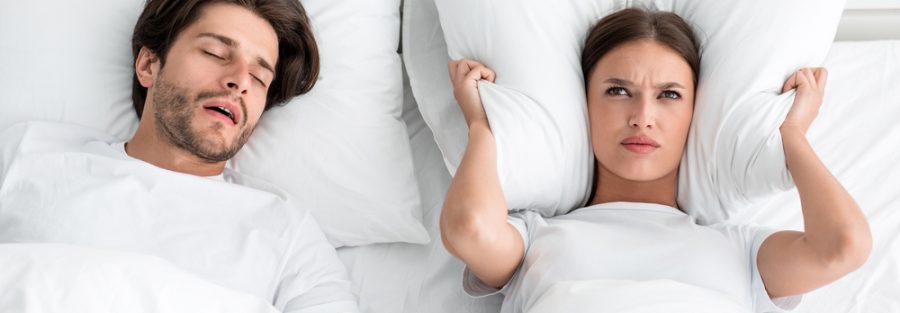
Sleep apnea, a common sleep disorder, disrupts breathing during sleep and poses risks if untreated.
While CPAP (Continuous Positive Airway Pressure) machines and surgeries are available treatments, lifestyle changes are crucial for managing sleep apnea and improving overall health.
Integrating these changes can enhance sleep apnea management and overall quality of life. In this blog post, we’ll explore ten effective lifestyle changes for sleep apnea management, answering common questions like “How to treat sleep apnea?” and “Does sleep apnea go away?”
10 Lifestyle Changes for Sleep Apnea Management
1- Maintain a Healthy Weight: Excess weight leads to the buildup of soft tissue around the neck and throat, blocking the airway during sleep and worsening sleep apnea.
Embracing a nutritious diet and regular exercise can aid in weight loss and alleviate sleep apnea symptoms.
2- Quit Drinking and Smoking: Alcohol relaxes upper airway muscles and contributes to weight gain, worsening apnea.
Quitting smoking is also crucial, as smokers are more likely to have sleep apnea, and the chemicals in cigarettes can harm health and disrupt sleep.
Tips for reducing alcohol’s impact on sleep apnea include stopping drinking several hours before bed, limiting alcohol to weekends, and cutting back on consumption for heavy drinkers.
3- Try a Dental Device: Explore oral appliances as a method to manage sleep apnea by adjusting the position of your jaw or tongue to maintain an open airway during sleep.
Mandibular advancement and tongue stabilizing devices are key types that move the lower jaw or tongue forward to ease throat obstruction.
These appliances vary in cost, from affordable over-the-counter options to custom-fit devices provided by dentists.
4- Adopt Healthy Eating Habits: To effectively address sleep apnea and reduce its chances of returning, experts suggest refraining from consuming heavy meals, caffeine, and spicy foods in the evening to alleviate heartburn.
The irritation caused by acid reflux traveling from the stomach to the throat can exacerbate apnea by inflaming the upper airway.
5- Exercise More: Regular exercise can alleviate sleep apnea by reducing fat around the upper airways and improving overall health, even without significant weight loss. It boosts oxygen levels, reduces daytime sleepiness, enhances sleep quality, and mitigates the severity of sleep apnea.
Strive for 150 minutes (about 2 and a half hours) of aerobic exercise weekly and two days of weight training.
Even shorter bouts of exercise, like 10 or 20 minutes daily, can improve mood and sleep quality.
6- Alter Your Sleep Position: Adjusting your sleeping position, even slightly, can alleviate sleep apnea symptoms and enhance sleep quality.
Studies indicate that sleeping on your back, known as the supine position, can worsen symptoms, while side sleeping may help normalize breathing for some adults. Consult your doctor about your preferred sleep posture and treatment options for sleep apnea.
7- Practice Good Sleep Hygiene: Establishing good sleep routines can improve sleep quality and alleviate symptoms of sleep apnea.
Create a soothing bedtime ritual and set up a sleep-friendly environment by keeping your surroundings cool, dim, and tranquil. Also, limit screen time and stimulating activities before bed to unwind and signal your body that it’s time to wind down for sleep.
8- Use a Humidifier: Humidifiers are devices that increase moisture in the air, which can be beneficial for relieving irritation and congestion in the respiratory system caused by dry air. By using a humidifier, you can help open your airways and promote clearer breathing.
Enhance your humidifier’s effects by adding essential oils like lavender, peppermint, or eucalyptus, which are known for their soothing and anti-inflammatory properties.
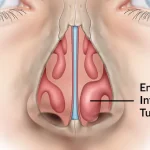
9- Manage Allergies and Nasal Congestion: Address nasal congestion to potentially alleviate mild sleep apnea symptoms. Treat allergies with surgery, anti-inflammatory drugs, or corticosteroids.
Additionally, consider saline rinses using over-the-counter nasal sprays or irrigation kits to improve nasal airflow, aiding in better breathing whether using a CPAP machine or not.
10- Avoid Certain Medication: Please exercise caution when using opioids, a class of painkillers, as they can exacerbate sleep apnea by slowing breathing and relaxing respiratory muscles.
Above mentioned lifestyle changes for sleep apnea will helps in manage sleep apnea.
It’s advisable to seek medical advice before considering over-the-counter sleeping pills, as they may not directly worsen sleep apnea but could potentially mask underlying breathing issues.