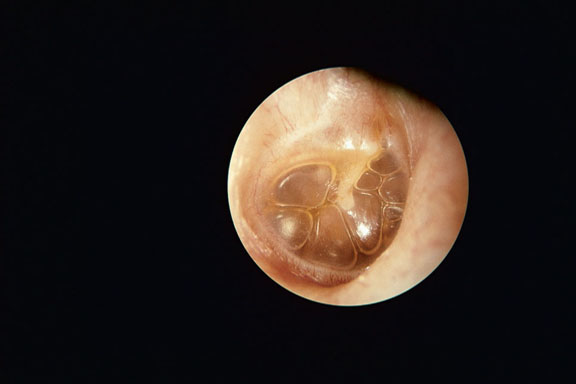
Serous Otitis Media

HomeConditions – Serous Otitis Media

Serous Otitis Media (Fluids in the Middle ear)

Repeated ear infections are very common in children younger than 6 years of age. While many of them will outgrow their tendency to get repeated ear infections by the age of 7, some of them due to immature immune system and poor function of the eustachian tube are at increased risk of repeated ear infections and persistence of fluids in the middle ear. Eustachian tube is a narrow tube connecting middle ear with the back of the nose. It normally equalizes middle ear pressure and helps in drainage of secretions from the middle ear into the nasopharynx. In kids, Eustachian tube is narrower and more horizontal as compared to the adults and these makes it more prone to occlusion and its dysfunction.

What is Glue ear (Fluids in the Middle ear):

Repeated ear infections can cause the glue ear, characterized by the persistence of secretions and fluid in the middle ear.
Fluid can stay in the middle ear for weeks to months after otitis media.
This fluid then hampers hearing by altering movement of ear drum and ear bones.
The hearing loss which occurs due to the glue ear, might affect your child’s understanding of language, speech development, reading ability and spelling pronunciation.

Contact Us

Make An Appointment

If you are suffering with Ear, Nose & Throat related problems and looking for best ENT Doctor then Visit Dr. Sanjay Kewalramani.

Call Now :-

055-5154537

    Frequently Asked Questions

    Also called glue ear, it is a buildup of fluid in the middle ear without infection, common in children.

    It is often caused by blocked Eustachian tubes, allergies, colds, or enlarged adenoids preventing fluid drainage.

    Symptoms include muffled hearing and ear fullness; in children it may show up as poor response to sounds or speech delay.

    Mild cases often clear on their own. Persistent cases may need ear tube (grommet) surgery to drain the fluid.

    Yes, prolonged fluid buildup can affect hearing and delay speech, so early evaluation by an ENT is recommended.